Introduction
IT Solutions are essential for modern enterprises seeking efficiency, security, and strategic growth. Companies generate vast amounts of data daily, manage complex workflows, and face evolving cybersecurity threats. However, without a structured IT Solutions blueprint, technology investments may fail to deliver measurable results.
A well-designed IT Solutions strategy integrates cloud computing, enterprise software, network infrastructure, and security protocols into a unified system. As a result, organizations gain operational agility, enhanced decision-making, and reduced risk exposure.
Moreover, businesses that adopt comprehensive IT Solutions optimize resources, improve collaboration, and maintain a competitive edge. Therefore, a holistic IT Solutions approach is no longer optional—it is a necessity for sustainable growth.
Why IT Solutions Are Vital for Businesses
IT Solutions enable enterprises to navigate technological challenges and achieve operational excellence.
For example, cloud-based IT Solutions facilitate remote collaboration and data access. As a result, teams can work efficiently from any location. In addition, cybersecurity measures protect sensitive business information from increasingly sophisticated threats.
However, technology alone is not enough. IT initiatives must align with organizational goals and processes to deliver value. Therefore, executive oversight, strategic planning, and proper governance are critical for successful implementation.
Businesses that prioritize IT Solutions experience enhanced performance, faster decision-making, and improved resilience across all operations.
Core Elements of IT Solutions
A successful IT Solutions framework is built on three primary components.
Infrastructure and Network Management
Reliable IT infrastructure forms the foundation of enterprise operations. Servers, networking devices, and cloud platforms ensure uptime, scalability, and high performance. As a result, employees access critical resources without interruption.
Moreover, monitoring and maintenance tools detect and prevent potential issues. Therefore, proactive management reduces downtime and operational risks.
Enterprise Software and Application Integration
Software solutions—from CRM and ERP systems to custom applications—drive efficiency and streamline workflows. For example, integrated platforms centralize data and automate repetitive tasks. In addition, tailored applications align with specific business needs, improving productivity and decision-making.
However, evaluating software compatibility, scalability, and vendor support is essential. Therefore, pilot programs and phased rollouts minimize adoption risks.
Cybersecurity and Compliance
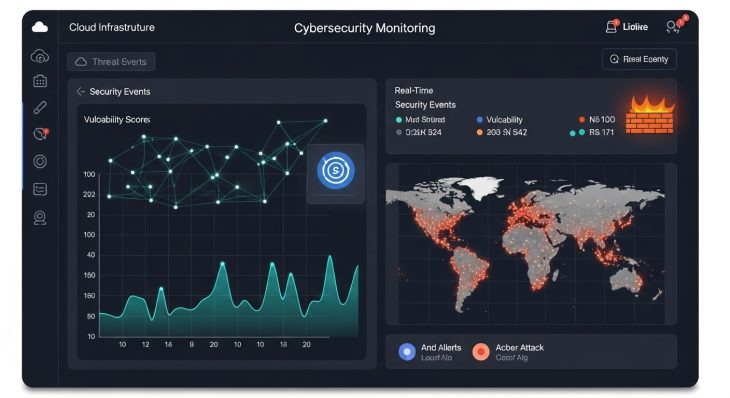
Protecting digital assets is a top priority for any enterprise. IT Solutions include firewalls, encryption, endpoint security, and intrusion detection systems. As a result, organizations mitigate risks, maintain regulatory compliance, and protect sensitive data.
In addition, employee training strengthens security awareness. Moreover, regular audits and updates ensure ongoing protection. Therefore, cybersecurity must be integrated into every IT initiative.
Benefits of Implementing IT Solutions
Implementing IT Solutions delivers significant advantages across the enterprise.
First, operational efficiency improves through automation and workflow optimization. For example, cloud-based tools streamline project management and team collaboration. As a result, resources are allocated effectively and productivity increases.
Second, data-driven decision-making is enhanced. Real-time dashboards consolidate metrics, while predictive analytics identify trends and risks proactively. Moreover, scenario simulations enable executives to test decisions before committing resources.
Third, IT Solutions reinforce resilience. Backup systems, redundancy measures, and disaster recovery plans ensure business continuity. Therefore, organizations maintain performance during disruptions.
Best Practices for IT Solutions Deployment
Successful IT Solutions deployment requires alignment with business strategy and structured planning.
Centralizing data and eliminating silos improves efficiency. Therefore, enterprises should implement unified platforms for seamless integration. In addition, aligning IT initiatives with strategic goals ensures measurable ROI.
Employee training and change management foster adoption and effective usage. Moreover, partnering with reputable vendors provides expertise, support, and access to innovative technologies. External references, such as Gartner, can guide organizations in selecting and implementing best-in-class IT Solutions.
Regular monitoring, updates, and security audits maintain performance and safeguard data. As a result, IT Solutions become a sustainable enabler for enterprise growth and innovation.
Conclusion
IT Solutions define the modern enterprise’s ability to compete, innovate, and grow. By integrating infrastructure, software, and cybersecurity, organizations gain efficiency, resilience, and strategic foresight.
Moreover, enterprises that embed IT Solutions into their core operations reduce risk, optimize resources, and achieve long-term competitive advantage. Therefore, a complete IT Solutions blueprint is essential for sustainable success in today’s digital landscape.