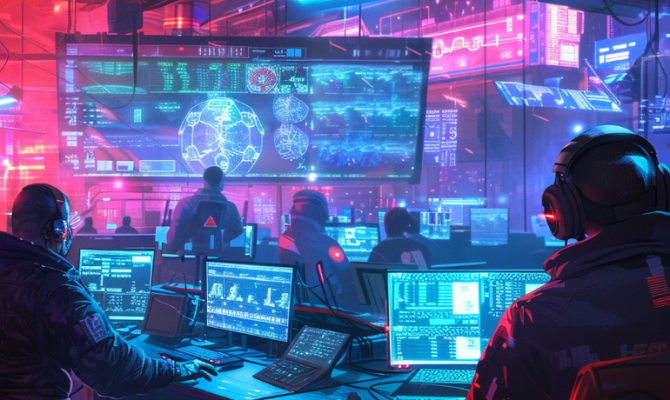
Control rooms are the central hubs for monitoring and managing operations in various industries, from emergency services and utilities to transportation and manufacturing. The supply and installation of a control room are crucial to its effectiveness and efficiency, requiring meticulous planning, state-of-the-art technology, and precise execution. This blog will guide you through the essential elements of control room supply and installation, focusing on design, technology integration, and best practices for creating a fully functional command center.
The Importance of Control Rooms
Control rooms are indispensable for maintaining the continuous and safe operation of critical systems. They serve as the nerve centers where data is monitored, analyzed, and acted upon in real-time. Effective control room design and installation can make the difference between smooth operations and operational failure, especially in high-stakes environments such as:
- Emergency Operations: Coordination and response during emergencies and disasters.
- Utility Management: Monitoring and controlling power, water, and gas distribution.
- Transportation Systems: Managing traffic, rail, and air traffic control.
- Industrial Processes: Overseeing manufacturing operations and ensuring system efficiency. Key Components of Control Room Supply
Supplying a control room involves providing the essential components that will support its operations. These components include:
- Control Room Consoles:
The workstations where operators manage and monitor systems. Consoles are designed for ergonomics, allowing operators to work comfortably for extended periods. They are typically equipped with multiple screens, keyboards, and communication devices. - Display Systems:
Large, high-resolution video walls and monitors provide real-time visual data. These display systems are crucial for maintaining situational awareness, allowing operators to make informed decisions quickly. - Communication Infrastructure:
Integrated communication systems, including radios, telephones, and intercoms, facilitate instant communication within the control room and with external parties. These systems are essential for coordination, especially during emergencies. - Data Processing and Management:
Servers, data storage solutions, and processing units handle the vast amounts of data collected from monitoring systems. Reliable data processing is vital for ensuring that the control room operates effectively. - Environmental Controls:
HVAC (Heating, Ventilation, and Air Conditioning) systems, lighting, and acoustics are designed to create a comfortable and functional environment. Proper environmental control ensures that operators can focus without distractions or discomfort. Control Room Design Considerations
Designing a control room requires careful consideration of several factors to ensure that it meets operational needs and allows for efficient workflows:
- Ergonomics and Comfort:
Operator consoles and workstations must be ergonomically designed to prevent fatigue and discomfort. Adjustable furniture, appropriate screen height, and accessible controls contribute to a comfortable working environment. - Layout and Space Planning:
The layout of the control room should facilitate easy movement and clear sightlines to all screens and monitors. Space planning also involves considering future expansion or the integration of new technology. - Redundancy and Reliability:
Critical systems within the control room should have redundant backups, including power supplies and communication lines. This ensures that operations can continue even in the event of a failure. - Security and Access Control:
Control rooms often manage sensitive data and critical operations, making security a top priority. Access control systems, surveillance, and cybersecurity measures are essential to protect the integrity of the control room. - Aesthetic and Environmental Design:
Beyond functionality, the design should also consider the aesthetic and environmental aspects, such as lighting that reduces glare, soundproofing to minimize noise, and the overall atmosphere that promotes focus and calm. Steps in Control Room Installation
The installation process for a control room involves several key steps to ensure that the setup is both functional and future-proof:
- Initial Planning and Consultation:
The first step involves understanding the specific needs of the organization, including the types of operations, number of operators, and required technology. This is followed by consultations with stakeholders to align the control room design with operational goals. - Detailed Design and Engineering:
Once the requirements are clear, detailed engineering plans are developed. These plans include the layout of the room, electrical and data wiring schematics, and specifications for all equipment. - Procurement and Supply:
The next step is the procurement of the necessary equipment, including consoles, display systems, communication tools, and data processing hardware. Ensuring that the supplied equipment meets quality and compatibility standards is critical. - Infrastructure Preparation:
Before installation, the physical space must be prepared. This includes setting up electrical systems, network cabling, and HVAC systems. The room must be made ready to accommodate the heavy equipment and technology that will be installed. - Installation and Integration:
Installation involves setting up the control room consoles, mounting display systems, and integrating communication and data processing systems. Proper integration is essential for ensuring that all systems work together seamlessly. - Testing and Commissioning:
After installation, the control room systems are thoroughly tested to ensure they function correctly under various scenarios. This includes testing for redundancy, data integrity, and communication effectiveness. - Training and Handover:
Finally, operators and technical staff receive training on the new systems. This step is crucial for ensuring that the personnel are fully prepared to operate the control room effectively. Once training is complete, the control room is handed over to the operational team. Challenges in Control Room Installation
While the process of setting up a control room is complex, several challenges often arise that require careful management:
- Budget Constraints:
Control room installations can be expensive. Prioritizing essential components and seeking scalable, cost-effective solutions can help manage costs without compromising on quality. - Technological Integration:
Ensuring that all systems—old and new—work together can be challenging. This requires careful planning, especially when integrating legacy systems with new technology. - Operational Downtime:
Minimizing downtime during installation is critical, especially for control rooms that manage essential services. This can be managed by phased installations or temporary control setups. - Future-Proofing:
Technological advancements are constant, so designing a control room that can adapt to future changes is essential. This involves considering scalable solutions and modular designs. Conclusion
The supply and installation of a control room are fundamental to its success. By focusing on detailed planning, high-quality equipment, and careful execution, organizations can create control rooms that not only meet their current operational needs but are also prepared for future challenges. Investing in the right design, technology, and processes ensures that control rooms can effectively support the critical functions they are intended to manage, enhancing safety, efficiency, and operational reliability across various industries.