Introduction
Technology is evolving at an unprecedented pace, transforming how enterprises operate, compete, and innovate. Emerging Technology trends are redefining operational models, customer engagement strategies, and digital infrastructure worldwide. Organizations that proactively adapt to these advancements gain measurable strategic advantages.
However, adopting new Technology without a structured evaluation framework can introduce complexity and risk. Therefore, enterprises must integrate innovation within a well-defined strategic roadmap.
By aligning emerging Technology with business objectives, organizations achieve operational efficiency, improved decision-making, and long-term resilience.
Why Emerging Technology Matters for Enterprises
Emerging Technology creates new opportunities for automation, scalability, and enhanced user experiences.
For example, advanced analytics platforms enable predictive insights that improve forecasting accuracy. As a result, leaders make proactive, data-driven decisions. In addition, intelligent automation reduces repetitive processes and enhances productivity.
However, rapid innovation requires governance and risk management. Therefore, enterprises must evaluate technological investments based on ROI, scalability, and long-term alignment.
Organizations that strategically adopt emerging Technology outperform competitors and strengthen their market position.
Key Emerging Technology Trends Driving Change
Artificial Intelligence and Machine Learning
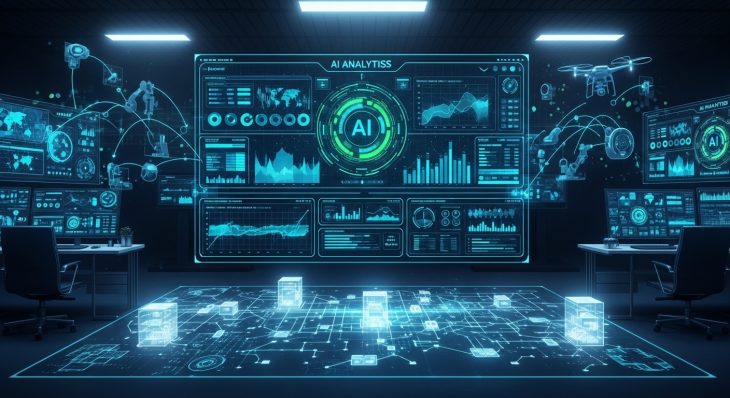
AI-driven systems analyze vast datasets, automate workflows, and enhance customer personalization. Machine learning models continuously improve performance through data feedback loops. As a result, operational accuracy and efficiency increase significantly.
Moreover, AI-powered decision engines support predictive maintenance, fraud detection, and strategic planning. Therefore, AI integration is central to modern Technology strategies.
Internet of Things (IoT) and Smart Systems
IoT devices connect physical assets to digital networks, enabling real-time monitoring and performance tracking. Enterprises use smart sensors to optimize logistics, manufacturing, and facility management.
As a result, operational transparency improves while downtime decreases. However, IoT deployment requires strong cybersecurity frameworks to protect connected ecosystems. Therefore, security integration must accompany IoT expansion.
Blockchain and Decentralized Technologies
Blockchain enhances transparency, traceability, and secure transactions across digital ecosystems. Enterprises leverage decentralized systems for supply chain verification and secure data exchange.
Moreover, blockchain reduces dependency on centralized intermediaries. As a result, operational efficiency and trust increase. Therefore, organizations exploring secure digital transactions consider blockchain integration as part of their Technology roadmap.
Strategic Advantages of Emerging Technology Adoption
Adopting emerging Technology delivers transformative business outcomes.
First, innovation accelerates. Enterprises can introduce new digital services and revenue models. As a result, competitive differentiation strengthens.
Second, operational resilience improves. Smart systems detect anomalies and enable proactive responses to disruptions. Moreover, predictive analytics minimize risk exposure.
Third, customer experiences become more personalized and seamless. Advanced data processing enables tailored interactions across digital channels. Therefore, emerging Technology enhances brand loyalty and engagement.
Best Practices for Evaluating and Implementing Emerging Technology
Successful Technology adoption begins with structured research and pilot programs. Therefore, enterprises should conduct feasibility studies before full-scale deployment.
Cross-functional collaboration between IT, operations, and executive leadership ensures alignment. In addition, employee upskilling programs prepare teams to work effectively with new systems.
Enterprises should also rely on trusted industry research and advisory insights from organizations such as Gartner to evaluate vendor capabilities and market trends. Moreover, continuous performance monitoring ensures sustainable Technology integration.
Regular security assessments and compliance reviews maintain system integrity. As a result, emerging Technology becomes a driver of growth rather than operational risk.
Conclusion
Emerging Technology trends are reshaping enterprise performance across industries. By strategically adopting AI, IoT, blockchain, and advanced analytics, organizations achieve agility, efficiency, and innovation.
Moreover, enterprises integrating emerging Technology within a structured governance framework enhance resilience, reduce risk, and unlock sustainable competitive advantage. Therefore, continuous Technology evaluation and adaptation are essential for long-term enterprise success.