Introduction
Technology has become the driving force behind modern enterprise growth and innovation. Organizations rely on advanced digital systems to improve efficiency, enhance customer experiences, and stay competitive. However, without a structured Technology strategy, investments may fail to deliver measurable results.
An effective Technology framework integrates infrastructure, cloud computing, automation, and data analytics into a unified ecosystem. As a result, enterprises gain operational agility, scalability, and smarter decision-making capabilities.
Moreover, companies that embrace advanced Technology consistently outperform competitors. Therefore, building a strategic Technology roadmap is essential for long-term success.
Why Technology Is Critical for Business Growth
Technology empowers organizations to streamline operations and unlock new opportunities.
For example, automation tools reduce manual workloads and increase productivity. As a result, employees can focus on high-value strategic initiatives. In addition, cloud platforms enhance collaboration and ensure real-time data access across departments.
However, adopting Technology without clear objectives can create inefficiencies. Therefore, aligning Technology initiatives with business goals is crucial for sustainable growth.
Businesses that leverage Technology strategically gain improved efficiency, reduced operational costs, and enhanced customer engagement.
Core Components of Modern Technology Strategy
A successful Technology framework is built on three foundational pillars.
Digital Infrastructure and Cloud Computing
Modern Technology relies on scalable infrastructure and cloud platforms. Cloud computing enables flexibility, cost efficiency, and global accessibility. As a result, organizations reduce hardware dependency and increase operational resilience.
Moreover, hybrid cloud models provide balanced control and scalability. Therefore, businesses can adapt quickly to changing demands.
Automation and Artificial Intelligence
Automation tools and AI-driven systems optimize workflows and enhance accuracy. For example, AI analytics predict market trends and customer behavior. In addition, robotic process automation minimizes repetitive tasks and reduces human error.
However, successful implementation requires integration planning and employee training. Therefore, phased adoption ensures smoother transitions and measurable impact.
Data Management and Cybersecurity
Data is a strategic asset within any Technology ecosystem. Proper data governance ensures accuracy, accessibility, and compliance. As a result, decision-makers gain reliable insights for strategic planning.
In addition, cybersecurity safeguards protect systems from breaches and evolving threats. Therefore, integrating security measures into Technology planning is essential for operational continuity.
Strategic Benefits of Advanced Technology
Implementing a strong Technology strategy delivers tangible business value.
First, operational efficiency improves significantly. Integrated systems eliminate silos and streamline communication. As a result, teams collaborate more effectively.
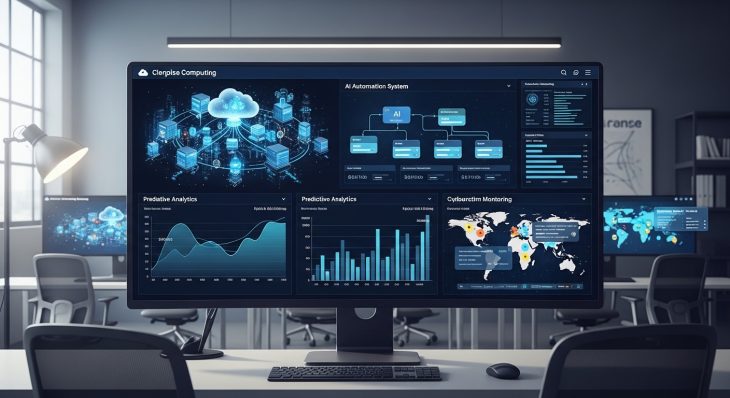
Second, data-driven decision-making becomes possible. Real-time dashboards and predictive analytics enable proactive planning. Moreover, scenario simulations allow leaders to test strategies before execution.
Third, Technology enhances scalability and innovation. Businesses can expand into new markets, launch digital services, and adapt quickly to industry shifts. Therefore, Technology becomes a catalyst for long-term growth.
Best Practices for Technology Implementation
Successful Technology deployment requires structured planning and executive support.
Organizations should begin with a comprehensive assessment of current systems. Therefore, identifying gaps ensures targeted improvements. In addition, aligning Technology initiatives with measurable KPIs guarantees ROI visibility.
Employee training and change management foster adoption and reduce resistance. Moreover, partnering with reputable vendors provides expertise and continuous support. External research from trusted sources like Gartner can guide solution selection and implementation best practices.
Regular system audits and updates maintain performance and security. As a result, Technology investments remain sustainable and future-ready.
Conclusion
Technology defines how modern enterprises operate, compete, and innovate. By integrating infrastructure, automation, and data intelligence, organizations achieve agility, resilience, and strategic foresight.
Moreover, enterprises embedding advanced Technology into their core operations gain measurable efficiency, competitive advantage, and sustainable growth. Therefore, a structured Technology strategy is essential for long-term enterprise success.