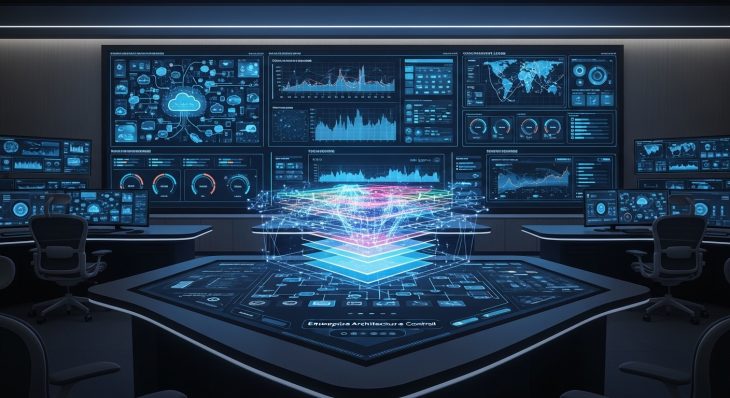
Advanced IT Solutions are the backbone of modern control rooms and mission-critical environments. As operations grow more complex, organizations require integrated systems that ensure reliability, scalability, and security. Therefore, investing in intelligent infrastructure is no longer optional—it is essential.
In high-performance environments, downtime is costly and inefficiency is risky. However, Advanced IT Solutions unify networks, cybersecurity, data platforms, and hardware architecture into one synchronized ecosystem. As a result, organizations gain operational clarity and long-term resilience.
Why Advanced IT Solutions Matter in Control Rooms
Control rooms depend on real-time data and uninterrupted connectivity. In addition, they integrate surveillance systems, IoT devices, communication networks, and analytics platforms. Without structured IT architecture, these systems become fragmented and vulnerable.
Advanced IT Solutions create centralized management frameworks. Therefore, all infrastructure components communicate seamlessly. This improves visibility and reduces operational blind spots.
Moreover, scalable cloud integration ensures future readiness. For example, as data volumes increase, storage and processing capabilities expand automatically. This guarantees consistent performance even during peak demand.
You can explore how this integrates with cybersecurity architecture in our
Advanced Firewall Security Framework and our guide to
Control Room Network Infrastructure.
Core Components of Advanced IT Solutions
1. Infrastructure Design and Integration
Advanced IT Solutions begin with strong infrastructure planning. This includes server environments, virtualization layers, secure networking, and redundancy systems.
However, integration is the real differentiator. Systems must communicate efficiently without creating latency. Therefore, enterprise-grade architecture ensures stability and high availability.
In addition, structured cabling and intelligent rack systems enhance organization and airflow efficiency. As a result, performance improves while maintenance becomes simpler.
2. Cybersecurity and Risk Management
Security is embedded within Advanced IT Solutions from the start. Firewalls, endpoint detection, identity management, and encryption protocols work together.
Moreover, risk assessment tools continuously evaluate vulnerabilities. According to insights from
Gartner, adaptive security frameworks are critical in digital infrastructure environments.
For example, automated threat monitoring detects anomalies before they escalate. Therefore, operational continuity remains protected.
3. Scalability and Performance Optimization
Modern control rooms require systems that grow with demand. Advanced IT Solutions use virtualization and hybrid cloud strategies to enable dynamic scaling.
In addition, load balancing distributes traffic efficiently. This prevents bottlenecks and ensures stable performance across all connected systems.
Moreover, predictive maintenance analytics monitor hardware health. As a result, potential failures are identified early, reducing downtime significantly.
Advanced IT Solutions and Digital Transformation
Digital transformation depends on reliable technology foundations. However, fragmented IT environments slow innovation. Advanced IT Solutions eliminate silos and unify digital ecosystems.
For example, centralized dashboards provide full operational visibility. In addition, automation tools streamline routine processes. Therefore, teams focus on strategic tasks instead of troubleshooting infrastructure.
Furthermore, integration with analytics platforms enhances decision-making. Data flows securely across systems, enabling real-time insights and faster responses.
Building a Future-Ready IT Architecture
Advanced IT Solutions must align with long-term strategy. This includes compliance standards, redundancy planning, and disaster recovery systems.
In addition, organizations should conduct regular performance audits. Therefore, infrastructure evolves alongside business growth.
Ultimately, Advanced IT Solutions transform control rooms into intelligent, resilient environments. They deliver stability, security, and scalability in one unified framework.
Conclusion
Advanced IT Solutions are not just technical upgrades—they are strategic investments in operational excellence. By combining infrastructure integration, cybersecurity, and scalable architecture, organizations create systems that adapt and perform under pressure.
Therefore, companies that adopt Advanced IT Solutions gain more than efficiency. They gain confidence, continuity, and a competitive advantage in an increasingly digital world.